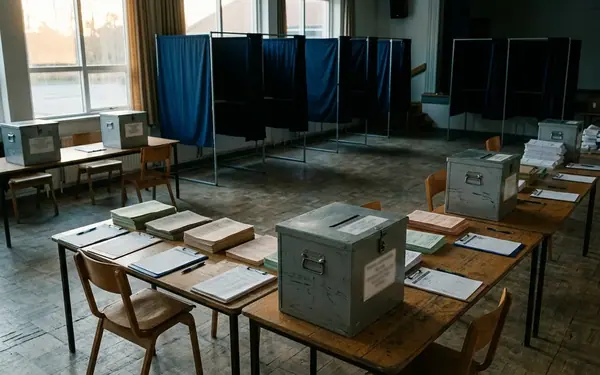
Neighborhood voting help once meant a porch reminder, a handwritten phone list, and an Election Day carpool. Subdivision message boards and group chats now make those efforts easier to organize, while early voting gives neighbors more possible days and locally determined hours.
Those choices create a coordination problem. Drivers, riders, polling locations, and operating hours can change from one trip to the next. A simple neighborhood plan removes those logistical barriers without asking anyone how they intends to vote.
What's Inside
- Moving familiar neighborhood turnout efforts into an early-voting schedule
- Defining volunteer roles and nonpartisan boundaries
- Building a private ride and time-window roster
- Sending clear messages at each coordination stage
- Verifying Texas voting information while protecting personal details
- Launching a manageable subdivision plan this week
From Election-Day Carpools to Early-Voting Plans
The useful part of the old carpool model was its simplicity: someone needed a ride, someone had a seat, and both knew when to leave. Early voting preserves that basic exchange while spreading it across several possible days. The neighborhood organizer now has to match availability, monitor official hours, and keep pickup information out of public threads.
Give Neighbors a Short Menu
Offer two to four early-voting windows instead of asking every participant to name an individual departure time. A morning window and an early-evening window, for example, give the coordinator enough structure to form groups while leaving room for traffic, lines, and personal schedules.
Begin collecting ride and reminder requests 7 to 10 calendar days before the first planned trip. Close each trip roster by 6:00 p.m. on the preceding day so volunteers have time to resolve an unanswered request or a driver change.
Keep Voting Personal
Rides and reminders serve voter participation. Candidate preference, ballot choice, and political discussion have no place in the matching process.
Set the Subdivision’s Boundaries Before Sending Invitations
Write the scope in one sentence before recruiting volunteers: help participating neighbors identify an early-voting window, connect riders with drivers, and receive timely reminders. That sentence gives everyone a shared operating rule and keeps a practical service from drifting into campaign persuasion.
Put Four Roles in View
- Plan coordinator: maintains the private roster and oversees confirmations.
- Driver coordinator: handles assignments, open seats, and transportation changes.
- Message-board contact: obtains posting approval and manages public notices.
- Backup driver: remains available if the primary arrangement changes.
One volunteer may hold two or more roles in a small subdivision. Residents should still know who controls the roster and whom to contact about a ride.
Request permission 2 to 3 business days before posting on an association board, clubhouse notice area, moderated platform, or group chat. Keep public replies to expressions of interest, then direct participants into private communication during a defined 24- to 48-hour intake period.
This creates a subdivision ballot-choice firewall around rides, reminders, and pickup details. Participation stays voluntary, and no ride or reminder depends on a candidate preference or willingness to discuss politics.
Build the Ride Roster Around Flexible Time Windows
Exact appointment times make a neighborhood roster brittle. A 90- to 120-minute window absorbs ordinary road delays, polling-place lines, and small schedule changes without forcing the coordinator to rebuild every assignment.
Collect Only What the Trip Requires

Limit the working roster to a first name, preferred contact method, general pickup area, preferred day, time window, ride needed or offered, available passenger seats, backup availability, and any mobility consideration the participant chooses to disclose. Exact addresses and telephone numbers belong in direct communication between the assigned people, never in a shared spreadsheet or public thread.
Group riders by general pickup area and compatible window. Each trip should have a primary driver and, where volunteers permit, a backup. Before assignment, drivers confirm that their vehicle is operational, every passenger position has a seat belt, and they are meeting their own licensing and insurance responsibilities.
Close Open Seats Deliberately
- Ask every assigned driver and rider to confirm by 6:00 p.m. the day before departure.
- Make one private follow-up attempt when a participant has not replied.
- Reassign an unanswered seat after that attempt.
- Send the final departure check 30 to 60 minutes before pickup with the official location, current hours, private instructions, primary driver, and backup contact.
I recommend treating the porch-reminder-to-private-ride-roster handoff as the key privacy checkpoint. Once a neighbor expresses interest publicly, all operational details move to restricted communication.
Use Messages Neighbors Can Copy Without Rewriting the Rules
A reusable message should perform one task. Keep the privacy and nonpartisanship language in the template so it does not disappear when the schedule gets busy.
Public Invitation
“Neighbors: we're organizing a nonpartisan early-voting ride and reminder plan for [subdivision]. If you need a ride, can offer one, or want a reminder, reply here or message [contact] privately. Please do not post addresses or voting choices.”
Group-Chat Scheduling Message
“Early-voting plan for [day]: please confirm your preferred time window by [deadline]. Drivers and riders will receive pickup details privately. Check official hours before leaving.”
Set that deadline between 4:00 p.m. and 7:00 p.m. on the day before the trip.
Private Ride Request
“I'd like a ride on [day] in the [morning/afternoon/evening]. I can/cannot walk far or wait outdoors. Please contact me privately about pickup details.”
Driver Offer and Final Reminder
“I can drive on [day] during [available window], have [number] passenger seats, and can pick up in [general area]. I can/cannot serve as a backup driver. Please send assignments privately.”
“Please recheck the official polling location and hours. Reply privately if your ride or preferred window has changed.”
Leave candidate names, persuasive language, and promised wait times out of every version. The messages coordinate transportation; they do not predict conditions at an early-voting location.
Verify Texas Voting Details and Keep Personal Data Private
Check VoteTexas.gov early-voting and voter guidance before publishing a destination. Then confirm the location-specific dates, address, and hours with the county election office responsible for that election.
A familiar Election Day polling place may not be the correct early-voting destination. Statewide guidance also does not settle county-specific locations, accessibility arrangements, curbside procedures, or assistance eligibility. Those details require local confirmation.
Repeat the Check Before Departure
Record the county webpage or telephone source, the time checked, the early-voting address, opening and closing hours, and any posted location update. Repeat this review between 12 and 24 hours before each trip, then check once more 30 to 60 minutes before departure.
Do not copy registration numbers or identification documents into the ride roster. Limit roster access to the coordinator and the volunteer making the assignment. A driver receives only the rider information needed for that trip.
Remove Withdrawn Details
If a participant withdraws privately, delete unneeded contact and pickup information from the working roster within 24 hours.
Put the Subdivision Plan in Motion This Week
Begin with one subdivision, one private roster, one designated contact, and a limited menu of early-voting windows. That scale gives volunteers a plan they can maintain without scattering personal information across several channels.
A Three-Stage Launch
- First evening, 6:00–8:00 p.m.: verify official sources, identify the designated contact, confirm permission to use the neighborhood channel, and publish the invitation without addresses or ballot-choice questions.
- Following day, 6:00–7:30 p.m.: move responses into private communication, place participants into two to four windows, pair nearby riders, and mark a primary and backup driver for each trip.
- Day before each trip, by 6:00 p.m.: verify official details, obtain confirmations, discuss mobility needs privately, and fill any open backup assignment.
Complete the Readiness Check
- Official location and hours verified
- Drivers and riders confirmed
- Accessibility needs discussed privately
- Backup transportation identified
- Roster deletion scheduled for 3 to 7 calendar days after the election
Who will you ask today to own the first concrete task: checking official hours, managing the ride list, or serving as the backup driver?