What It Means to Track a Texas Bill
Legislative tracking is the repeated process of locating a bill's official record, checking its current stage, reading material changes, and watching for scheduled action. The official portal, Texas Legislature Online, provides public access to bill text, actions, authors, committees, calendars, and related documents. Texas regular sessions last 140 calendar days. This compressed timeline means a proposal can move from filing through several materially different versions within one session.
Tracking demands a continuous cycle of review. A single search captures only a snapshot in time. A consistent review captures four items each time: the latest completed action, the current text version, the assigned committee or chamber location, and the next posted event.
Start With the Session, Chamber, and Bill Number
Resolve the session before searching by number. Numbering restarts across regular and special sessions, making the session year a critical filter. Record an identifier in a specific format, such as "89th Regular Session, HB 123." The 89th regular session runs from January 14 through June 2, 2025.
Next, identify the originating chamber from the prefix. HB and HJR designate House measures. SB and SJR designate Senate proposals. Gather a short preparation checklist before opening the portal:
- The issue phrase
- A possible legislator or committee
- A filing-date window
- The likely chamber
- The specific session
Search for Bills That Affect Your Community
Begin with a concrete community concern. A resident looking into the replacement of aging municipal water lines can search a narrow phrase like "water infrastructure." Read the first relevant captions to collect the statutory or policy terms lawmakers use for that topic. Inspect the caption, filing date, author, session, and latest action before adding a result to a watch list. A keyword match provides only a starting point.
Maintain six fields per bill to organize the findings. Record the full session-and-bill identifier, the official URL, the community issue, the current committee or chamber location, the latest action date, and the next expected checkpoint. Verify the session and official bill record before relying on a news story, campaign statement, email, or social post.
Avoid Relying on the Initial Filing
A common failure occurs when a resident saves the filed PDF, later sees that the bill passed, and describes the original language to their community. A committee substitute often removes or alters the provision affecting a local city. Always verify the current version.
Read the Bill Page Without Losing the Plot
Scan the status and chronological actions first. These entries establish whether the measure is still in committee, awaiting floor consideration, moving in the other chamber, or headed to the governor. Open the full text only after confirming the current stage.
Common milestones form a predictable sequence. A bill is filed, referred to committee, and a hearing is held. It is then reported from committee, placed on a chamber calendar, and passed by one chamber. The measure is sent to the other chamber, enrolled after legislative passage, and finally sent to the governor.
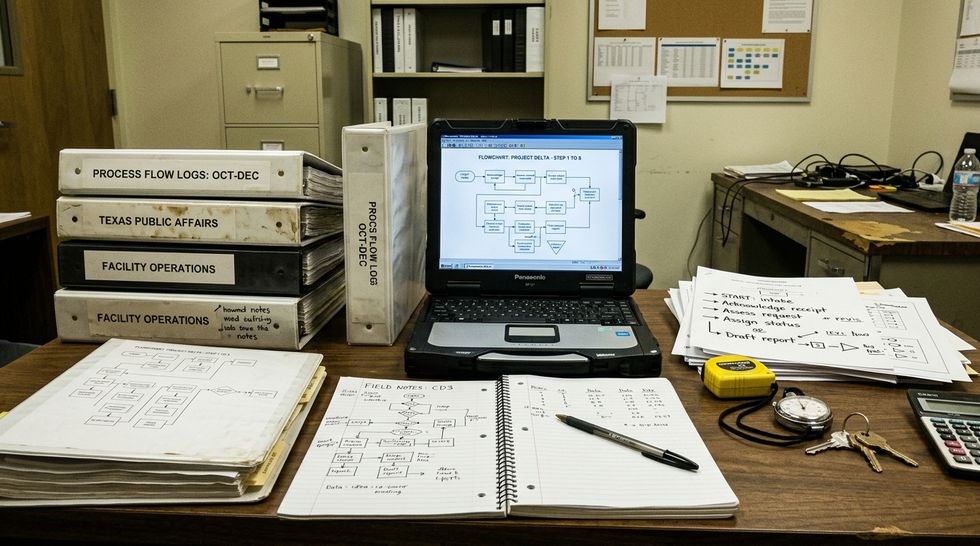
Compare the newest action date with the date in the tracking record during each visit. Reopen the text and amendment areas to update the summary if the date changed. Companion House and Senate bills address the same policy but have different authors, committees, text, amendments, hearing dates, and procedural outcomes. Each record updates independently.
Compare Versions and Test the Local Impact
Label the document being reviewed. The filed version is the introduced proposal. A committee substitute replaces that working text during committee consideration. An engrossed version reflects the text as passed by the originating chamber. The enrolled version represents the final language passed by both chambers.
Follow a strict version-comparison sequence:
- Confirm the version label and date.
- Locate amended statutory sections.
- Mark added and removed language.
- Identify each responsible agency or local body.
- Extract effective dates and deadlines.
- Record any exceptions.
The fiscal review captures state appropriations, local-government costs, fees, staffing, technology changes, reporting duties, and unfunded implementation tasks. The community review names the affected group at the level supported by the text—for example, school districts, counties above a stated population threshold, municipal utilities, election officials, ratepayers, or licensed service providers.
Distinguish Summaries from Enacted Law
Bill analyses explain a proposal and fiscal notes estimate financial effects. The enacted text, applicable existing statutes, agency rules, and later court interpretations hold the final legal authority.
Monitor Hearings, Calendars, and New Actions
Follow the bill's assigned committee from the official record. Open that committee's current meeting notice and cross-check the chamber calendar and chronological action history. Check a watched bill once each business day during routine committee weeks. Check again the evening before and 30 to 60 minutes before travel or testimony preparation when the bill appears on a posted hearing notice or chamber calendar.
A hearing notice supplies the posted time, location, agenda, and participation instructions. Later witness lists or minutes show who registered, testified, or submitted a position when those records are published. Verify two sources on the same day before attending or commenting: the bill's latest action history and the relevant committee notice or chamber calendar. Testimony registration and public-comment procedures vary by chamber, committee, and hearing format; follow the instructions attached to the current official notice.
Put One Community Bill on Watch Today
A resident concerned about local water infrastructure selects the active session, searches the issue terms, and verifies the chamber prefix and full bill identifier. The resident opens the official record, reads the latest status, checks the assigned committee, compares available versions, and records the next scheduled action.
This forms a five-step watch routine:
- Save the official record.
- Note the latest action date.
- Identify the current text version.
- Record the next committee, calendar, chamber, or gubernatorial decision point.
- Set the next manual check.
Use three separate tracking fields to keep the record clear:
- Current text and completed actions.
- Claims by supporters or opponents.
- Questions or decisions still pending.
Choose one bill with a direct community effect and review its official record after every posted action. Focusing on a single measure builds practical tracking skills and ensures your community advocacy relies on the exact language lawmakers are debating today.