From a North Texas street concern to a public request
Neighborhood traffic safety advocacy means documenting a specific street hazard, building a shared request, and taking it to the government responsible for that road. A crossing that feels difficult to use may be familiar to everyone nearby. Officials still need a precise location, a condition they can examine, and a clear request before they can evaluate it.
The path has six parts: observe the location, compare neighbors’ accounts, confirm who controls the road, request a review, submit the concern through a public channel, and follow the response. This is a form of voter participation grounded in local decisions. A congressional campaign can hear concerns from North Texas communities, while city, county, or state road authorities generally decide specific street changes.
1. Pin down the crossing or street segment
Start with one named location and one primary concern. For an intersection, record both street names and identify the crossing or approach at issue. For a sidewalk gap, describe its two endpoints. “Cars come around the corner while people are crossing” gives a reviewer more to investigate when it also names the corner, the time, and the sightline in question.
Make in the ballpark of three to five observations across a couple of weeks, including the time of day when neighbors say the condition is most noticeable. Note what happened on each visit rather than writing a single impression afterward. Date photographs and take them from a safe public location; a useful image shows the crossing and its surroundings without requiring anyone to step into traffic.
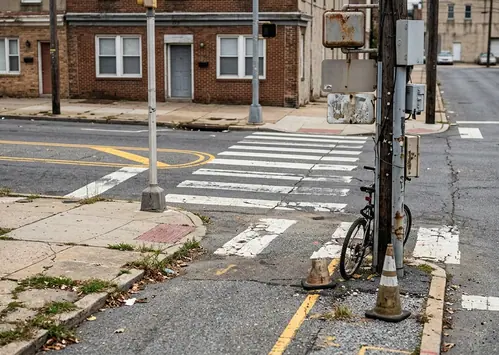
Keep direct observations separate from neighbors’ accounts. Someone may describe a near miss that occurred when the observer was absent. Record it as that person’s account, with permission, rather than using it to claim a crash pattern. The result should be a short problem statement: where the concern is, what users encounter, and when it occurs.
2. Find the concern neighbors share
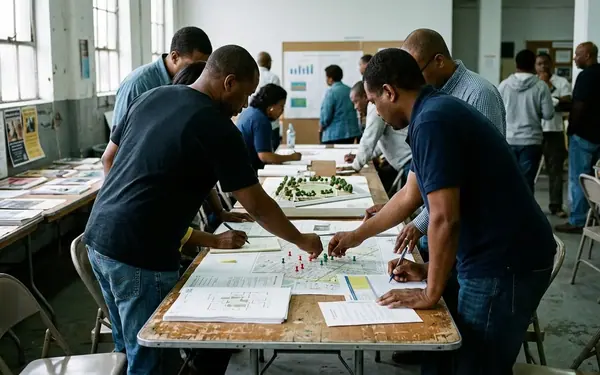
People encounter the same street differently. Invite nearby residents who walk, drive, cycle, or use mobility aids to describe the particular location. A driver may mention a limited view when turning; a person walking may describe where they wait to cross. Comparing those accounts can reveal one observable issue worth placing at the center of the request.
Allow a week or two to collect responses if neighbors need time to check the location during their usual trips. Record each account separately from the original observations. Then choose one shared priority instead of attaching every street frustration to the submission. A focused request gives the road authority a condition it can review and gives neighbors a clear basis for discussing its reply.
Permission matters before a name, story, or photograph leaves the conversation. Ask what each person agrees to share with officials. Describe support as the number of people who explicitly agreed; a conversation with several households does not establish a neighborhood-wide position. People can support a review while holding different views about the eventual treatment.
3. Identify the office responsible for that road
Jurisdiction determines where a request goes. Check published city, county, or Texas Department of Transportation maps or contact pages, then ask the relevant public office to confirm which division reviews the location and proposed change. Give both intersecting street names and specify the crossing, approach, or sidewalk segment. If the answer remains unclear, send a clarification inquiry before filing the improvement request, and log the reply date and division named.
An intersection can cross an administrative boundary: the city-street approach and the state-highway approach may have different decision-makers. Confirm the precise part of the intersection under discussion rather than assuming one road name settles responsibility.
A nearby elected official may help direct a constituent inquiry. A U.S. congressional representative can hear the concern, but cannot order a city, county, or state road authority to change a neighborhood street. Sending the documentation to the confirmed road owner keeps the request within the decision process that can act on it.
4. Ask for an assessment tied to the evidence
Write a request of about 150 to 250 words. Name the location, list the observation dates, state the shared concern, and ask the road owner to assess a specific response. An obscured crossing, for example, supports a request for a visibility and crossing review. Ask how the agency will evaluate the concern, whether residents can provide input, and what decision point comes next.
Keep the proposed response open to review
A visibility review examines what road users can see. A speed-management review examines vehicle approach speeds. These address different conditions, so mention speed management separately when repeated observations also document that concern. Neither suggestion establishes that a particular treatment is suitable, approved, or funded; the responsible agency must assess the site.
The distinction between a requested review and a promised improvement protects fiscal accountability as well as accuracy. It leaves room for the authority to explain its criteria, identify constraints, and tell residents what evidence would help with the next decision.
5. Give the request a traceable public record
Send the concise request through the responsible office’s published contact or public-comment channel. Save the submitted text and attachments alongside the submission date, destination, and any confirmation or reference number. That record makes a later inquiry specific: residents can ask about a particular submission rather than restating the concern from memory.
If a relevant public meeting offers comment, prepare a spoken version that identifies the location, shared concern, and requested review in a minute or two. Check the meeting’s posted comment procedure and speaking time before attending. Public comment can make the issue visible, but it should describe neighborhood support accurately; informal conversations are not a formal vote.
Keep any press & public commentary consistent with what was submitted. A statement that the agency has received a request says something different from a statement that it has agreed to an improvement. That distinction helps participating neighbors understand where the decision stands.
6. Track the reply and choose the next venue
Maintain a simple log with four fields: submission date, office contacted, response or referral, and any stated review or reply date. Share verified updates with the neighbors who participated, including a confirmation that the request was received or a description of the next step the agency actually identified.
A referral calls for confirming the new contact and resending the documentation. If an improvement is proposed, ask what decision remains, who will make it, and how residents can comment. Those questions keep the original concern connected to the process without treating an early proposal as a finished street change.
If the stated response date passes, decide within a few business days how to follow up. Will you request a written status update or bring the documented concern to the next relevant public meeting?