What's Inside
- A Local Campaign Event Is More Than a Speech
- Before You Arrive: What to Check and Bring
- Check-In, Name Tags, and the First Few Minutes
- Candidate Remarks, Local Issues, and Voter Questions
- How to Participate Without Feeling Like an Insider
- What a Campaign Event Can and Cannot Do
- After the Event: Follow-Up, Notes, and Next Steps
A Local Campaign Event Is More Than a Speech
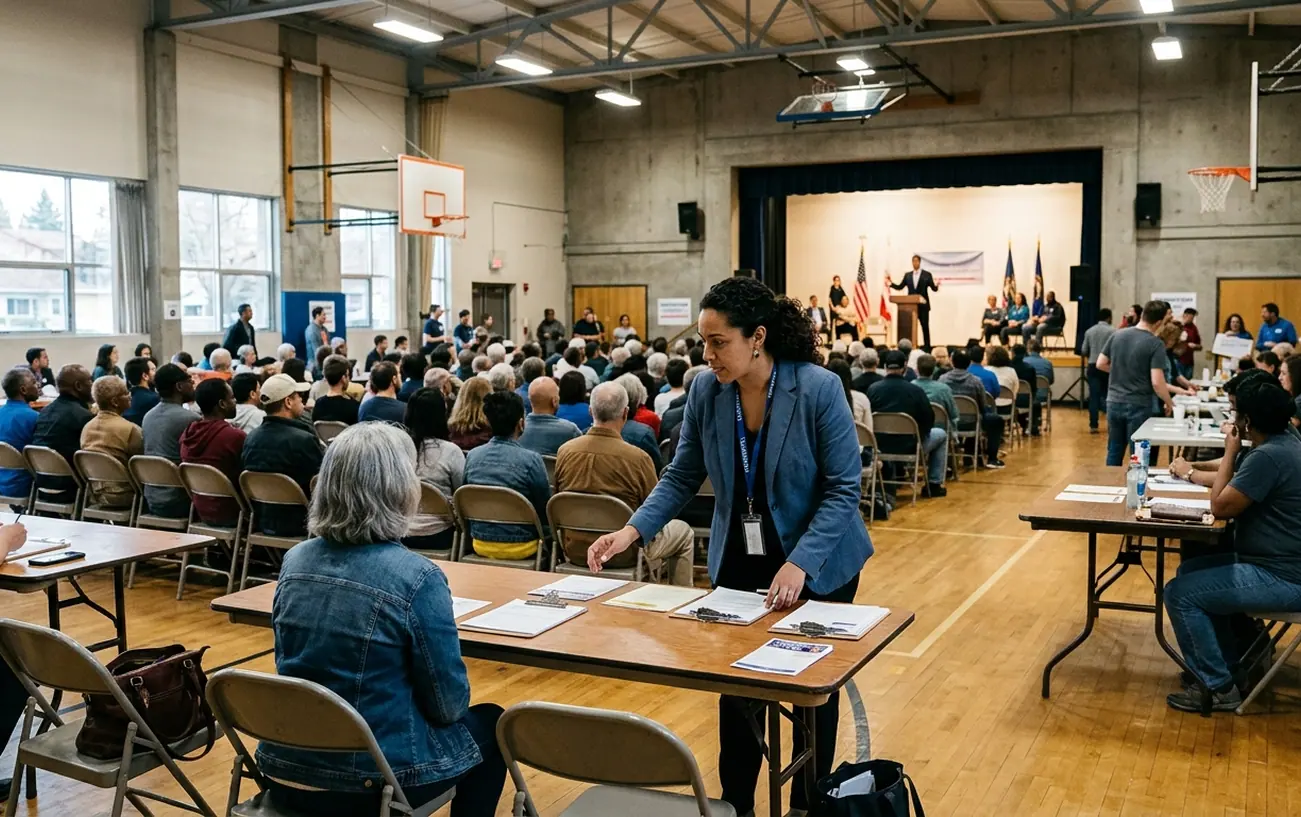
A local campaign event is where voters, volunteers, neighbors, organizers, and candidates meet face to face. That sounds simple, but it matters because most people do not form civic trust from a mailer or a slogan alone.
This guide starts with what happens in the room before making any case for participation. That choice fits Jan McDowell’s campaign context because voters deserve useful expectations, not vague encouragement. At a Jan McDowell-related event, the important question is not whether the room feels polished. The better question is whether people can hear clear positions, ask fair questions, and leave knowing what to do next.
You can expect five basic parts: arrival, informal conversation, candidate remarks, volunteer options, and follow-up. Some events include a formal question period. Others move straight from brief remarks into small conversations around the room.
Respectful participation is the point. A strong local event gives undecided voters space to listen, gives supporters a way to help, and gives neighbors a chance to hold public-facing claims against real community concerns.
Critical Insight: Treat the event as a civic conversation, not a performance. The best use of your time is to compare what you hear with your priorities, your neighborhood’s needs, and official public information where it applies.
Before You Arrive: What to Check and Bring
The most common problem I plan around is not ideology. It is logistics: the wrong entrance, unclear parking, a weather mismatch, or an assumption that a private home gathering works like a town hall.
Check the details before you go
Attendees are better served when pre-arrival guidance is logistics-first. Time, address, parking, accessibility, venue type, and RSVP status should come before issue research.
Confirm the event time, location, parking instructions, and whether the event is indoors, outdoors, or hosted at a private venue. If accessibility notes are not listed, ask before you go. A public meeting room may have marked accessible parking and clear restrooms. A house meeting with something like 15 chairs may require more attention to steps, narrow walkways, photography expectations, and host etiquette.
Know the event format
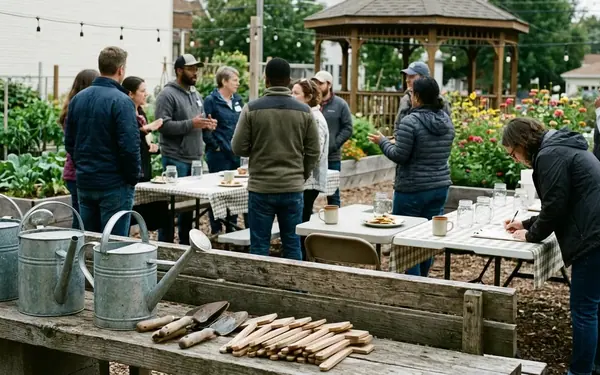
Local campaign events are not all the same. You might be attending a casual gathering, house meeting, town hall, block walk, meet-and-greet, or volunteer training. Each format changes how much listening, questioning, and organizing happens.
At a volunteer training, expect instructions and assignments. At a meet-and-greet, expect short remarks and informal conversation. At a block walk, expect practical directions before people leave in pairs or small groups.
Local Campaign Event Readiness Checklist
- Confirm the time, address, parking details, accessibility notes, and venue type 30 to 45 hours before the event, give or take.
- Bring a charged phone, water, weather-appropriate clothing, RSVP information, and one prepared issue question.
- Keep your issue question to about 25 words or fewer so it stays specific and answerable in a crowded room.
- Check whether the event is open to the public, RSVP-only, or hosted in a private space.
- Plan your departure time before you arrive, especially if you are attending with children, neighbors, or a ride share.
Recommendation: Write one question before you leave home. A useful version sounds like this: “How would you approach county budget choices that affect road maintenance in our area?”
Check-In, Name Tags, and the First Few Minutes
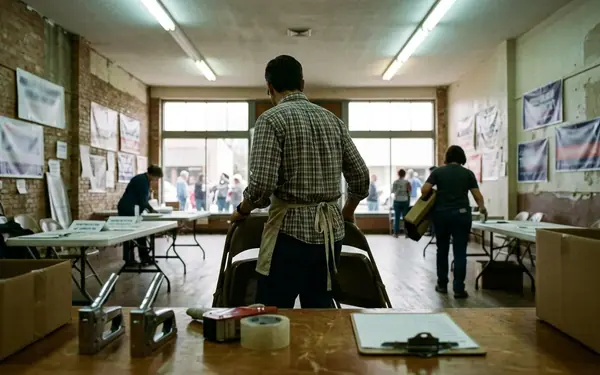
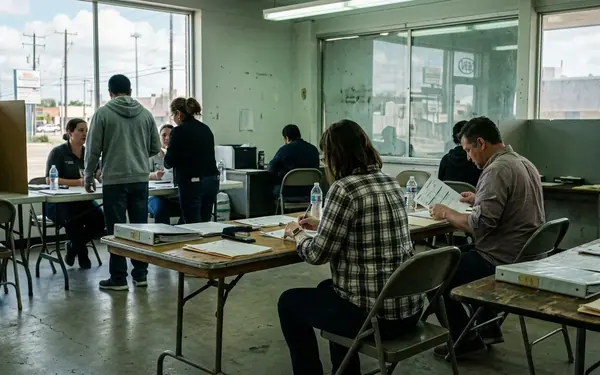
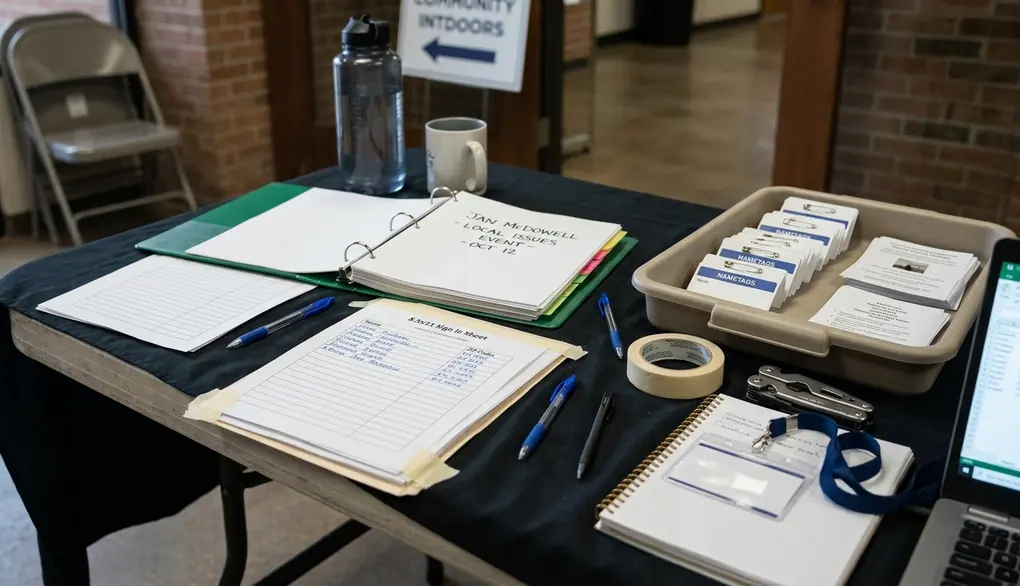
The arrival flow usually follows a plain sequence: a volunteer greets you, checks RSVP details if needed, offers a name tag, and points you toward seating, refreshments, or the materials table.
I describe it in that order because that is how a person experiences the room. When the sign-in table expects somewhere around 35 attendees, I prefer two separate volunteer roles: one person greeting and one person handling materials or directions. That keeps the front door from becoming a bottleneck.
Why campaigns ask for contact information
People generally want to know why they are being asked for a phone number or email address. Campaigns may use contact information to send event updates, volunteer opportunities, reminders, or follow-up answers to questions raised during the event.
You can ask how your information will be used. You can also ask whether a field is optional. A campaign should be able to explain the purpose without making the exchange feel awkward.
In my check-in planning, privacy clarity matters because the table should make expectations clear: what is requested, what is optional, and what kind of communication may follow.
What you may see on the table
- Sign-in sheets or RSVP lists
- Issue handouts
- Volunteer cards
- Candidate literature
- Name tags and pens
- Sometimes voter registration information
If you are undecided, say so. A well-run local campaign event should not assume every attendee is already a supporter. Neighbors, local journalists, civic observers, and first-time voters may all be in the same room.
Candidate Remarks, Local Issues, and Voter Questions
Most events move through a predictable sequence: a brief welcome, an introduction of the candidate or host, remarks on campaign themes, and then questions or informal conversation.
For Jan McDowell-related events, the discussion may naturally focus on Texas public issues, fiscal accountability, voting access, campaign activity, and civic participation. That does not mean every attendee needs to arrive with a policy brief. It does mean the best questions connect lived concerns to public responsibilities.
What strong remarks usually do
Candidate remarks work best when they are direct and time-limited. In planning ranges I use for local events, remarks generally fit within 10 to 15 minutes, more or less, before audience interaction begins. That is enough time to explain priorities without crowding out voters.
Good remarks identify the office or public role at issue, name the problems the campaign sees, and explain the choices the candidate would emphasize. The strongest remarks avoid pretending that one office can solve every public frustration.
How to ask a useful voter question
When preparing question guidance, more than half of the advice should tie a household or neighborhood concern to something an officeholder or candidate can actually influence.
- Ask about a local condition, not a national slogan.
- Keep the question respectful, even when it is firm.
- Name the decision area: budget, access, oversight, public communication, or constituent service.
- Limit yourself to one main question and only a few follow-up prompts on a major issue.
A crowded room is not the place for a speech disguised as a question. If you need a longer exchange, ask a staff member how to submit a follow-up after the event.

How to Participate Without Feeling Like an Insider
No campaign experience is required to attend a local event. You do not need the right vocabulary. You do not need to know everyone in the room.
Start with a small sequence
- Listen for the first few minutes.
- Introduce yourself simply: name, neighborhood, and why you came.
- Ask one focused question if the format allows.
- Thank the volunteer or organizer who helped you.
- Decide later whether you want updates or a volunteer role.
Most of this guidance should be usable by someone attending for the first time. The goal is not to turn every visitor into a campaign regular. The goal is to make participation understandable.
Volunteer roles you may be offered
Common roles include greeting attendees, setting up chairs, making calls, writing postcards, distributing literature, block walking, or helping with future events. If you are new, choose one task that lasts between 30 and 75 minutes as a starting point. That range is long enough to help and short enough to test whether the work fits your schedule.
Participation can scale. You can attend once, sign up for updates, volunteer occasionally, or become a regular campaign helper. Campaigns usually function better when they offer more than one way to participate, because not everyone has the same time, mobility, transportation, or comfort level.
Risk Factor: Do not dominate the discussion to prove you belong. Listening well, asking one clear question, and making room for another neighbor is often the more useful civic act.
What a Campaign Event Can and Cannot Do
A campaign event can help you understand a candidate’s priorities, meet organizers, ask questions, and learn how to participate. It can also show you how a campaign handles pressure, uncertainty, and disagreement.
Because event formats vary by venue and host, I treat these ranges and practices as planning guidance rather than a conclusion about every local gathering.
What the event can do
- Explain campaign themes in plain language.
- Give voters a chance to ask about local concerns.
- Connect volunteers with practical campaign tasks.
- Help attendees compare candidate answers with their own priorities.
- Create a record of questions that staff may need to answer later.
What the event cannot do
This boundary matters. A campaign meet-and-greet is not an official government meeting, not a polling place, and not a substitute for checking election rules.
It is also not the right place to receive individualized legal advice or a final answer about voting eligibility. If your question involves registration status, deadlines, polling place, eligibility, or required election procedures, verify it through official sources. For Texas voters, start with official Texas voter information.
The failure case I work hardest to avoid is treating campaign reminders as election administration. Campaigns can remind, explain, and encourage participation. Government election offices set and administer the official rules.
After the Event: Follow-Up, Notes, and Next Steps
The event does not end when the chairs are folded.
Volunteers may clean up, staff may log follow-up requests, and attendees may receive a thank-you message. Interested supporters may also be invited to volunteer at a later event, make calls, write postcards, or join a block walk.
Write down what you heard
I recommend taking personal notes within a few hours after leaving. Do it while the details are still clear but after you have had enough time to separate tone from substance.
- What did the candidate say clearly?
- Which answers matched your priorities?
- Which questions were not answered?
- What follow-up did staff promise?
- Did the event make participation easier to understand?
Use at least three comparison points after the event: what the candidate said, what campaign materials say, and official election or public-agency information where applicable. That habit keeps civic judgment grounded.
Decide your next step
You might do nothing more than stay informed. That is still a valid outcome. You might sign up for updates, attend another event, send a follow-up question, or volunteer for one defined task.
What matters is that the next step is yours. A good local campaign event should leave you with clearer information, not pressure. It should help you understand the candidate, the campaign operation, and your own role in the civic process.
When voters leave with better questions, better notes, and a clearer path to official election information, the event has done useful work.